What Is Himalayan Honey? Benefits, Effects, Origin, and Safety Guide
-
Himalayan honey is a rare honey produced by Apis laboriosa in high-altitude cliffs of Nepal
-
It contains grayanotoxins, natural compounds that can cause unique effects
-
Harvested using the dangerous Himalayan honey hunting method
-
Known for both traditional medicinal benefits and psychoactive effects
-
Safe in small doses, but requires careful consumption
Introduction
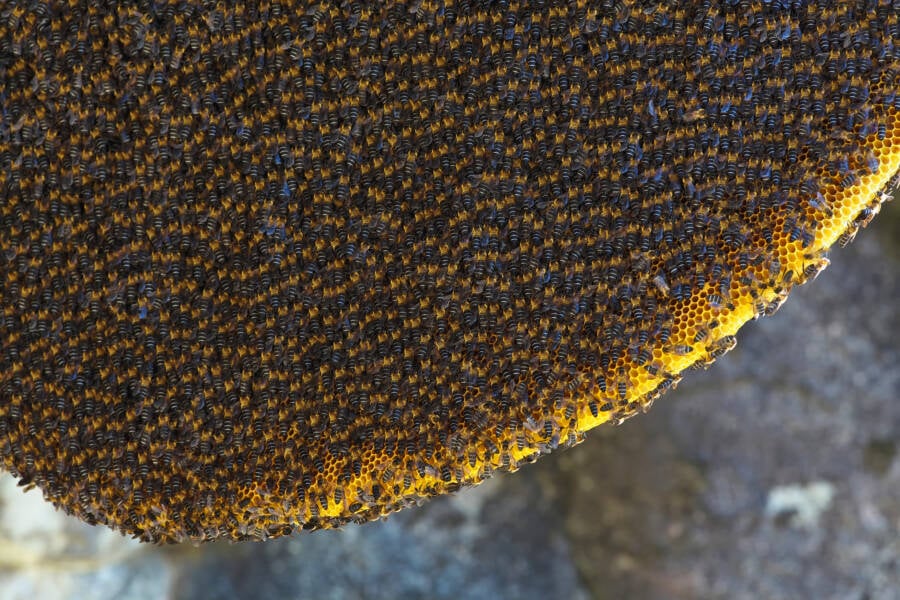
Image Source: Nature Picture Library/Alamy Stock Photo
Himalayan honey is one of the rarest and most misunderstood natural products in the world. Produced at altitudes of 2,500 to 3,000 meters, this honey comes from wild bees that feed on rhododendron flowers rich in bioactive compounds.
Most people assume all honey is the same. It’s not.
Himalayan honey stands apart because it can produce real physiological effects, not just sweetness. According to Journal of Ethnopharmacology, certain types of this honey contain grayanotoxins, which directly affect the nervous system.
In this guide, I’ll break down:
-
What Himalayan honey actually is
-
Why it’s different from regular honey
-
Its effects, benefits, and risks
-
How to identify authentic products
What is Himalayan honey?

Image Souce: India Express
Himalayan honey is a wild, high-altitude honey produced by giant Himalayan bees, often containing natural compounds that can create mild to strong physiological effects.
Unlike commercial honey:
-
It is not farmed
-
It is harvested from cliffs
-
It varies in potency depending on season and flowers
👉 The key difference: Some Himalayan honey is “mad honey”, meaning it contains active compounds that affect the body.
Where does Himalayan honey come from?
Himalayan honey comes from remote mountainous regions of Nepal, especially areas like Lamjung, Gorkha, and Kaski.
These regions are home to:
-
High-altitude rhododendron forests
-
Steep cliffside hives
-
Traditional honey hunting communities
According to National Geographic, honey hunters risk their lives climbing cliffs using ropes and ladders to harvest honey from wild bee colonies.
Cultural significance
-
Practiced by Gurung communities for generations
-
Done twice a year (spring and autumn)
-
Considered both economic and spiritual activity
What makes Himalayan honey different?

Image Source: Altitude Himalaya
Himalayan honey is different because it may contain grayanotoxins, natural compounds found in rhododendron nectar that can affect the human body.
Grayanotoxin is what sets this honey apart.
What grayanotoxins do:
-
Interact with sodium channels in the body
-
Affect the nervous system
-
Create dose-dependent effects
According to Journal of Ethnopharmacology:
-
Low doses → mild relaxation
-
Higher doses → dizziness, altered perception
This is why it’s often called “mad honey.”
What is the Himalayan honey method?

Image Source: National Geographic
The Himalayan honey method refers to the traditional cliff-harvesting technique used by local honey hunters to collect wild honey.
Step-by-step process:
-
Locate hive on vertical cliffs
-
Lower a hunter using rope systems
-
Use smoke to calm bees
-
Cut honeycomb by hand
-
Collect in baskets
According to BBC Travel, this method is one of the most dangerous food harvesting practices in the world.
Why it matters:
-
No industrial farming
-
No artificial processing
-
Completely wild and raw
What are Himalayan honey benefits?
Himalayan honey is traditionally used for energy, relaxation, and medicinal purposes, though scientific validation is still limited.
Commonly reported benefits:
-
Energy boost (natural sugars)
-
Relaxation and mood enhancement
-
Traditional medicinal use (blood pressure, digestion)
According to Food and Agriculture Organization, raw honey contains:
-
Antioxidants
-
Enzymes
-
Natural antibacterial properties
What are the effects of Himalayan (mad) honey?

Image Source: Seek Discomfort
Himalayan honey effects depend on dosage and can range from mild relaxation to strong psychoactive experiences.
Effects by dosage:
|
Dose Level |
Effects |
|
Low |
Warm feeling, relaxation |
|
Medium |
Mild euphoria, body buzz |
|
High |
Dizziness, nausea, altered perception |
According to World Health Organization, excessive consumption can lead to:
-
Low blood pressure
-
Nausea
-
Temporary intoxication
👉 Key insight: This is not regular honey. Dosage matters.
Is Himalayan honey safe to consume?

Image Source: Daily Sabah
Yes, Himalayan honey is safe in small amounts, but excessive consumption can cause side effects due to grayanotoxins.
Safe use guidelines:
-
Start with small doses (1 teaspoon or less)
-
Avoid mixing with alcohol
-
Do not overconsume
According to World Health Organization, most adverse effects are temporary but avoidable with proper use.
Himalayan honey vs regular honey: what’s the difference?
Himalayan honey differs from regular honey in origin, composition, and effects.
|
Feature |
Himalayan Honey |
Regular Honey |
|
Source |
Wild cliffs |
Farmed bees |
|
Bee species |
Apis laboriosa |
Apis mellifera |
|
Effects |
Psychoactive possible |
None |
|
Processing |
Raw, unfiltered |
Often processed |
|
Price |
High |
Moderate |
👉 Himalayan honey is an experience, not just a sweetener.
Where can you buy Himalayan honey?
You can buy Himalayan honey from specialty online stores, but authenticity is critical.
How to identify real Himalayan honey:
-
Dark reddish color
-
Bitter or strong taste
-
Sourced from Nepal
-
Lab-tested if possible
Avoid:
-
Cheap mass listings
-
“Too good to be true” pricing
👉 BuyAuthentic Real Mad Honey from Nepal | Worldwide Shipping
FAQ
Q: Is Himalayan honey legal?
Yes, in most countries it is legal, but regulations may vary depending on its classification.
Q: How strong is mad honey?
It varies widely. Some batches are mild, while others can produce noticeable psychoactive effects.
Q: How much Himalayan honey should you take?
Start with 1 teaspoon or less. Wait and observe effects before increasing dosage.
Q: Why is it called mad honey?
Because of its intoxicating effects caused by grayanotoxins found in rhododendron nectar.
Q: Does Himalayan honey expire?
Pure honey does not expire if stored properly, but potency may degrade over time.