- Over 200 bodies remain on Mount Everest
- Most are located in the Death Zone (above 8,000m)
- Recovery is extremely dangerous and often risks more lives
- Costs can exceed $30,000–$70,000+ per body
- Many climbers, including Francys Arsentiev, remain on the mountain
Why Are Bodies Left on Mount Everest?

The simple answer is harsh:
It is often more dangerous to recover a body than to leave it.
At extreme altitudes on Mount Everest, survival itself is a challenge—let alone carrying a body down.
1. Extreme Danger in the Death Zone
Above 8,000 meters, the environment becomes deadly:
- Oxygen levels drop to one-third of sea level
- The human body begins to shut down
- Even small mistakes can be fatal
Recovery teams must:
- Climb in these conditions
- Carry heavy weight downhill
- Risk exhaustion and death
Many rescuers have died trying to retrieve others.
2. Bodies Are Frozen in Place

Source: Azertag
The freezing conditions on Everest create a natural preservation effect:
- Temperatures drop below -30°C (-22°F)
- Bodies freeze quickly
- They become extremely heavy and rigid
👉 A frozen body can weigh significantly more, making movement incredibly difficult.
3. The Cost of Recovery Is Extremely High
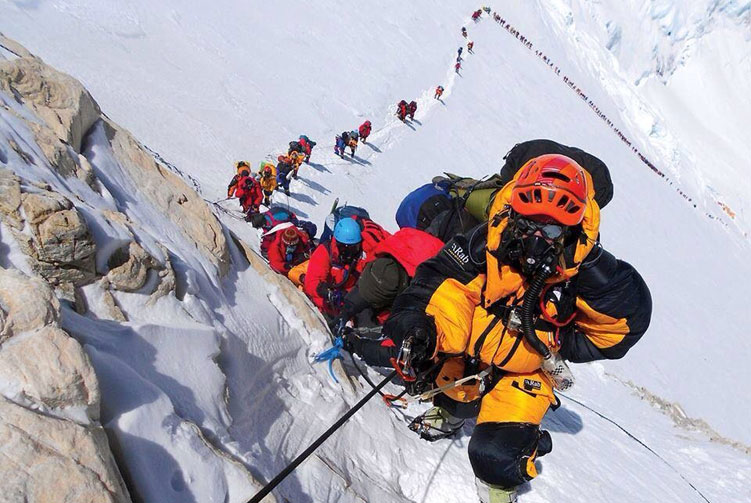
Source: Everest Expedition
Recovering a body from Everest is not simple:
- Requires a specialized expedition team
- Needs ropes, oxygen, and logistics
- Helicopters cannot reach extreme altitudes
Estimated cost:
- $30,000 to $70,000+ per recovery
For many families, this is simply not feasible.
4. Physical Difficulty of Carrying a Body Down
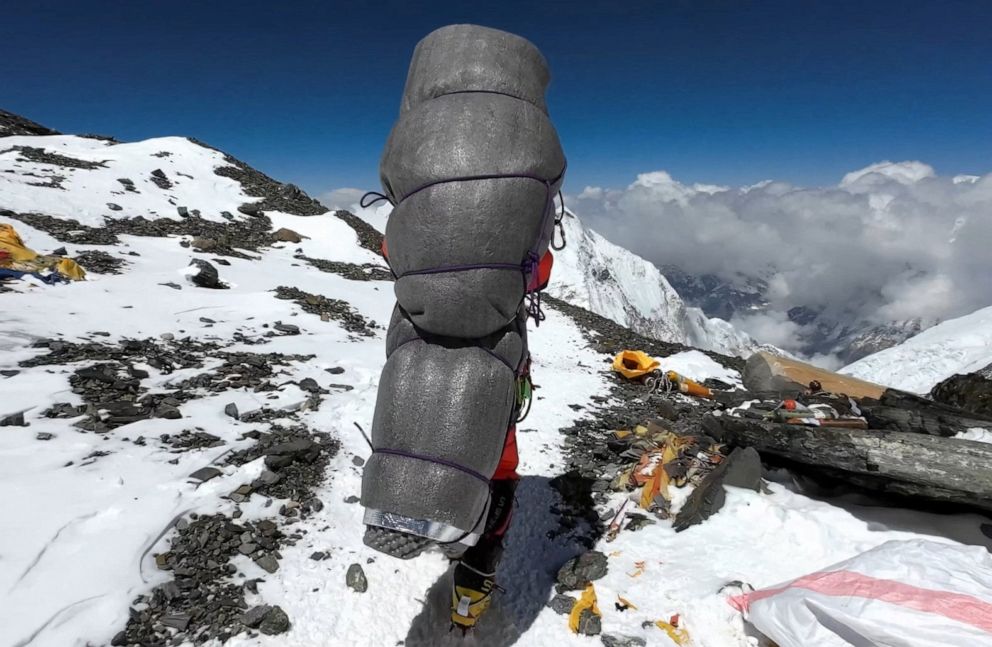
Source: ABC News
The terrain on Everest is:
- Steep and icy
- Full of crevasses
- Constantly shifting
Now imagine:
- Carrying 80–100 kg (or more)
- At extreme altitude
- While oxygen-deprived
It’s one of the hardest tasks in mountaineering.
5. Survival Comes First
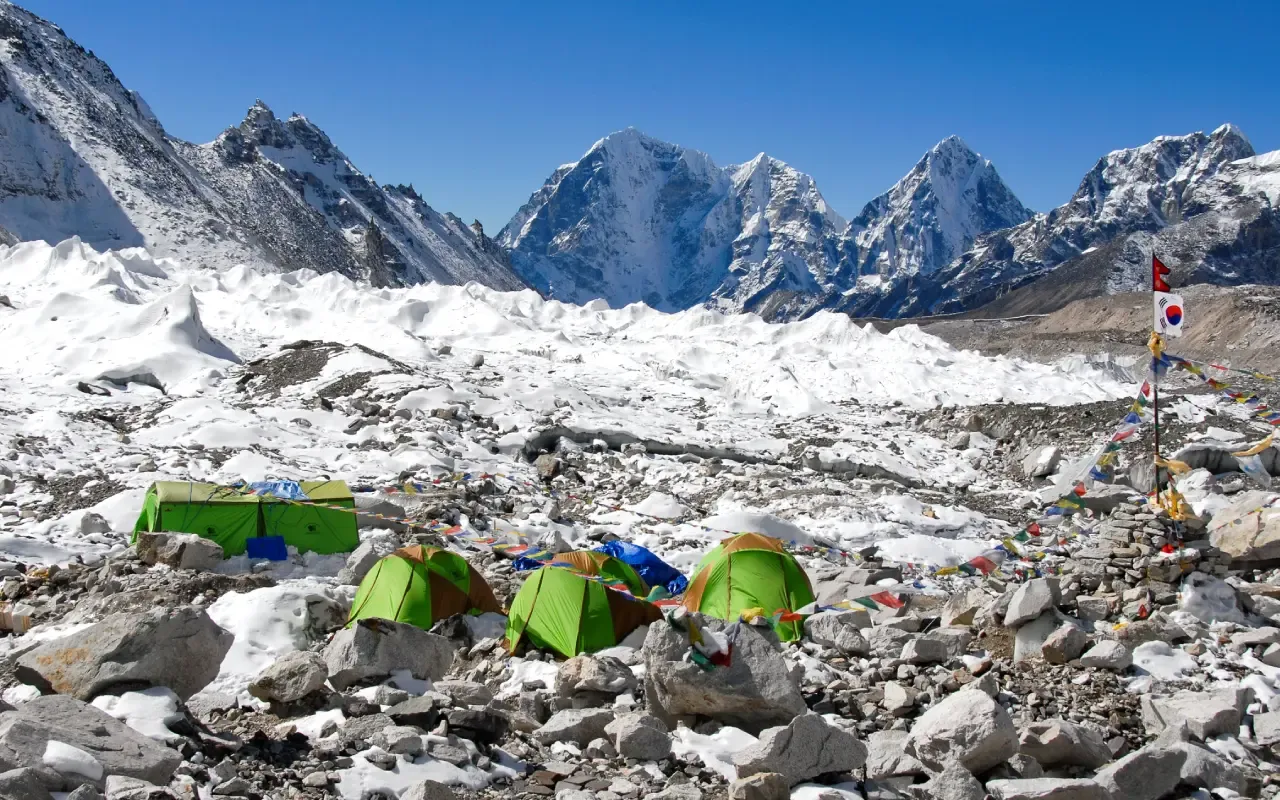
Climbers follow one unspoken rule:
Save yourself first.
In the Death Zone:
- You cannot stay long
- Helping someone may cost your own life
- Difficult decisions must be made quickly
This is why many climbers who encounter struggling individuals cannot always help.
Famous Example: “Sleeping Beauty”

One of the most well-known cases is Francys Arsentiev, often called “Sleeping Beauty.”
- She died during descent in 1998
- Climbers encountered her but couldn’t safely rescue her
- Her body remained on Everest for years
Her story highlights the brutal reality of the mountain.
Where Are Most Bodies Located?

Most bodies are found in:
Rainbow Valley
- Named after colorful jackets
- Located in the Death Zone
- Along major climbing routes
Other locations:
- Summit ridge
- Near fixed rope sections
- High camps
Some bodies even serve as unofficial landmarks for climbers.
Why Don’t You See Many Photos?

Despite global curiosity:
- Photos are often not publicly shared
- Ethical concerns prevent distribution
- Climbers avoid documenting such scenes
This adds to the mystery—and search demand.
Are Bodies Ever Removed?
Yes—but rarely.
In some cases:
- Families fund recovery missions
- Governments organize cleanup efforts
- Bodies are moved off main routes
However:
- Many remain permanently on Everest
The Reality of Everest

Source: Wikipedia
Mount Everest is not just a challenge—it’s an extreme survival environment.
The presence of bodies reflects:
- The risks of high-altitude climbing
- The limits of human endurance
- The cost of ambition
FAQ
Why are bodies left on Mount Everest?
Because recovery is extremely dangerous, expensive, and physically difficult, especially in the Death Zone.
How many bodies are on Mount Everest?
It’s estimated that over 200 bodies remain on the mountain.
Do climbers see dead bodies on Everest?
Yes, especially along popular routes in the Death Zone.
Can bodies be removed from Everest?
Yes, but it requires specialized teams, high cost, and significant risk, so it’s rare.