

Discover why trekking in Nepal is a once-in-a-lifetime experience. Explore the Himalayas, local culture, and scenic trails with expert guides.

Nepal stands out in South Asia for its authentic experiences, safety, affordability, and natural diversity. With improved infrastructure, professional tour operators, and sustainable tourism initiatives, Nepal is becoming one of the best travel destinations in the world.

The word "Himalayas" often evokes images of grueling climbs, freezing temperatures, and mountaineers with ice axes. But here is a secret that many travelers don’t know: You don’t need to be a superhuman athlete to experience the magic of the world’s highest mountains.
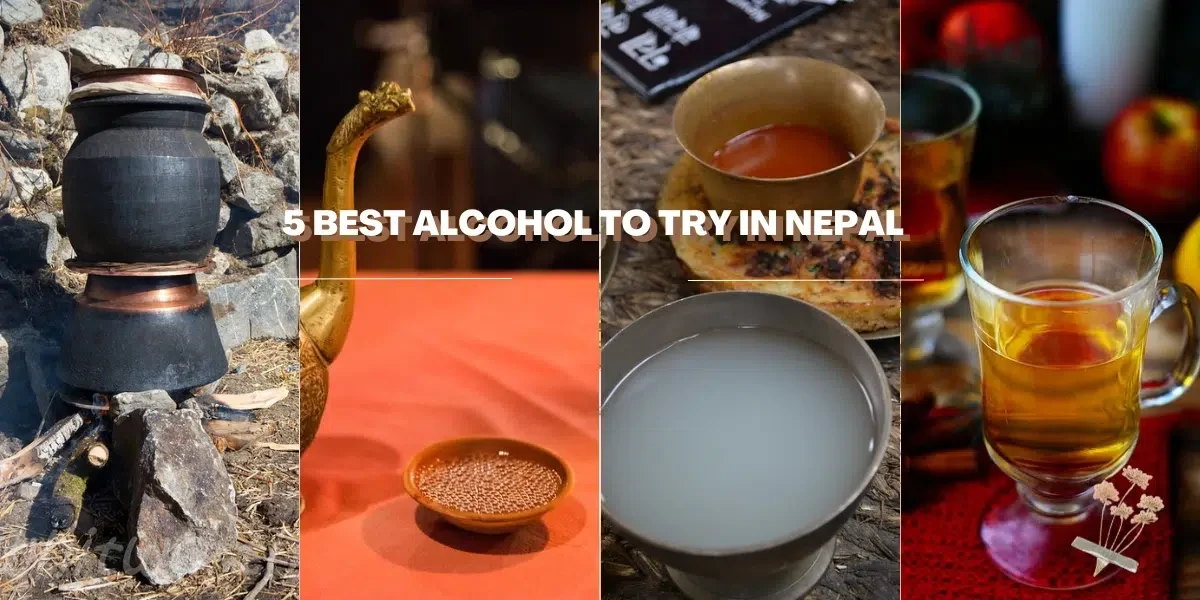
Nepalese drinks include both traditional alcoholic (raksi, chyang, tongba) and non-alcoholic (tea, lassi, butter tea) beverages. Most traditional drinks are naturally fermented using millet, rice, or barley. Popular alcoholic drinks range from light (2–8%) to strong (40%+). Alcohol is legal in Nepal, but cultural norms vary by region Tongba and chyang are must-try cultural experiences, not just drinks
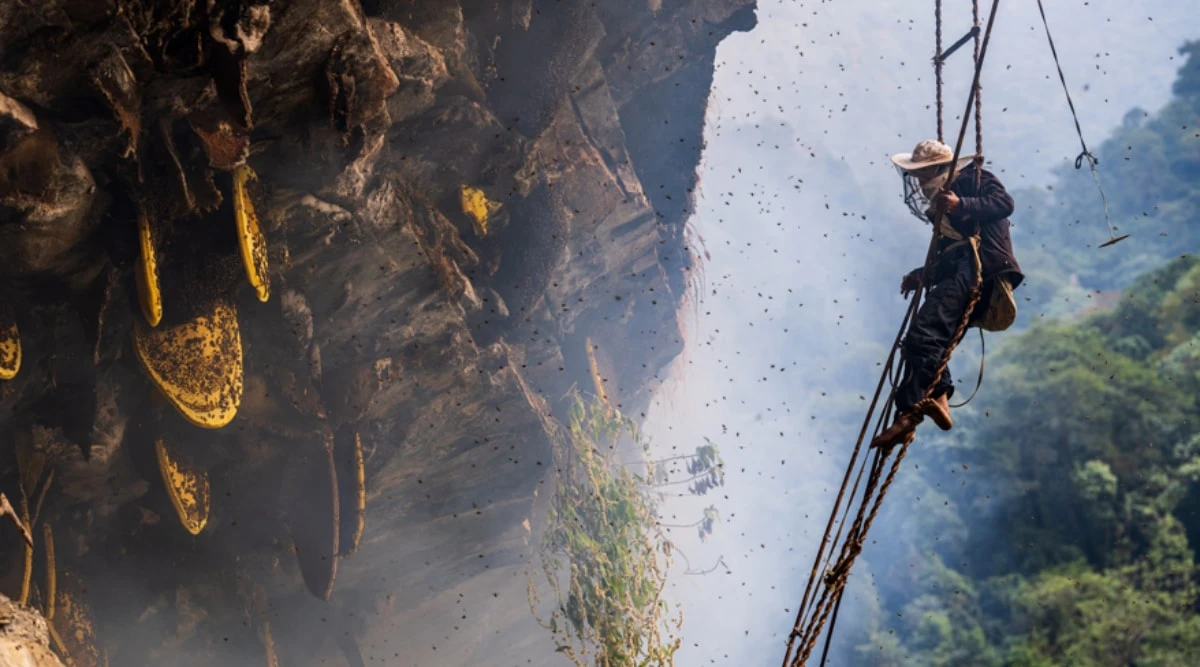
Himalayan honey is a rare honey produced by Apis laboriosa in high-altitude cliffs of Nepal. It contains grayanotoxins, natural compounds that can cause unique effects. Harvested using the dangerous Himalayan honey hunting method. Known for both traditional medicinal benefits and psychoactive effects. Safe in small doses, but requires careful consumption
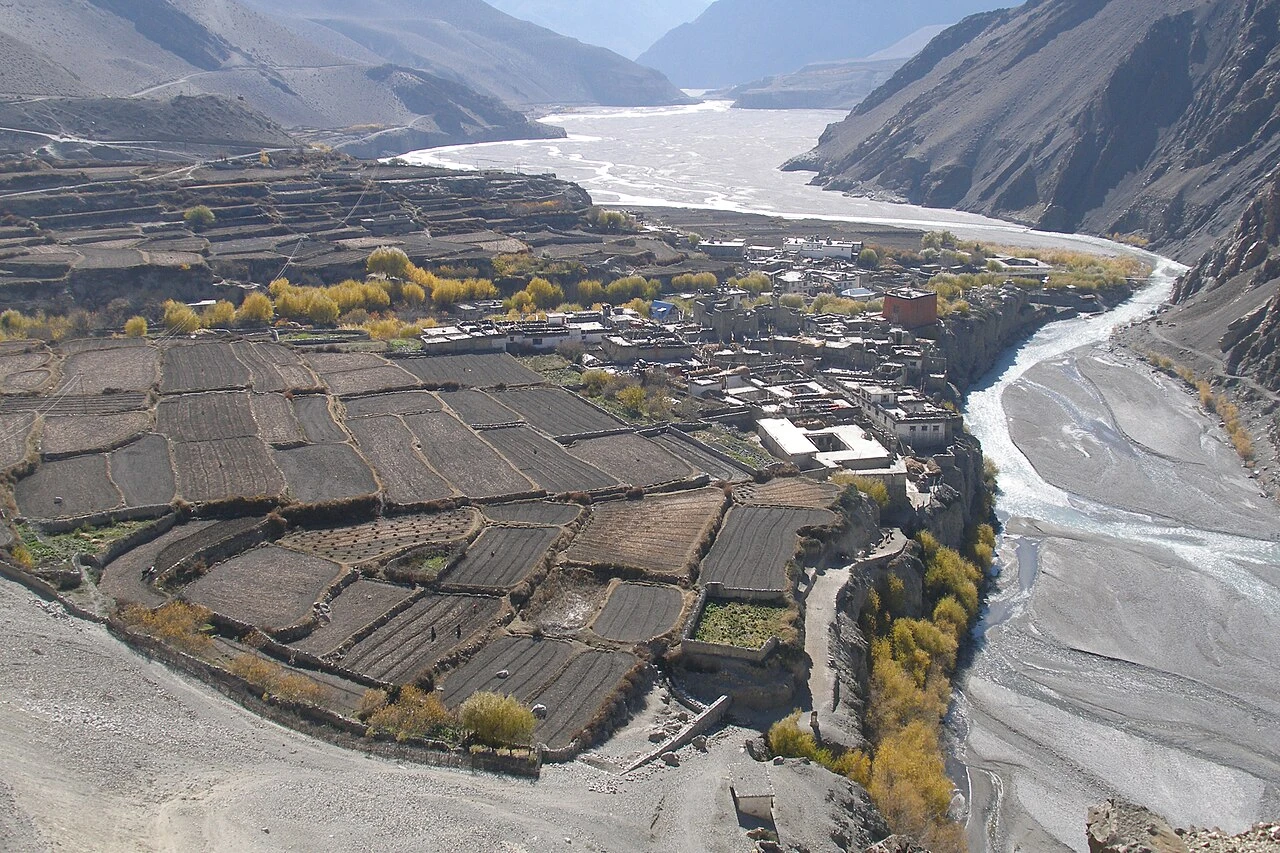
Kagbeni is a historic village in Mustang and the gateway to Upper Mustang. Located at ~2,800 meters altitude in Nepal’s Kali Gandaki valley. You can reach via Kathmandu → Pokhara → Jomsom → Kagbeni. No special permit needed for Kagbeni, but Upper Mustang requires ~$500 permit. Best time to visit: May to October


