-
Yes, real photos of “Sleeping Beauty” (Francys Arsentiev) did exist, but they are rare and not widely available online
-
Photos are hard to find due to ethical concerns, platform restrictions, and climber discretion
-
Some climbers have taken photos, but most avoid doing so out of respect
-
Modern expeditions discourage sharing images of bodies on Mount Everest
-
The reality is very different from what viral content suggests
Introduction

More than 200 bodies remain on Mount Everest, many still visible along climbing routes.
That leads to one of the most searched questions online:
Are there real photos of “Sleeping Beauty” on Everest?
I’ve looked into this deeply, and here’s the truth most people don’t talk about:
-
Yes, photos existed
-
No, you won’t easily find them
-
And there’s a very specific reason why
I’ll break down exactly what climbers have seen, why photos are rare, and the ethics behind it.
Are There Real Photos of Sleeping Beauty?

Yes, real photos of Sleeping Beauty did exist, but they are not widely available today.
When Francys Arsentiev died on Everest in 1998, her body remained visible for years along a climbing route.
During that time:
-
Some climbers documented what they saw
-
A few images circulated privately and within mountaineering circles
-
Very limited photos appeared online
According to Outside Magazine, climbers have historically encountered bodies and, in some cases, photographed them during expeditions
But here’s the key point:
Most of these photos were never meant for public distribution.
Over time, they were:
-
Removed
-
Buried in forums
-
Or intentionally not shared
To understand the full story behind Sleeping Beauty and why she became one of Everest’s most well-known figures, read this detailed guide:
Sleeping Beauty
Why Are Photos Hard to Find?

Image Source: Daily Mail
Photos of Sleeping Beauty are hard to find because of ethical concerns, platform restrictions, and climber behavior.
Let’s break this down.
Ethical Concerns
The biggest reason is simple:
People don’t want to exploit someone’s death.
Sharing images of a deceased climber raises serious issues:
-
Respect for the individual
-
Sensitivity toward family members
-
Avoiding sensationalism
According to The New York Times, climbers often experience discomfort even seeing bodies, let alone documenting them publicly.
Platform Restrictions
Even if someone uploads such photos:
-
Social media platforms remove graphic content
-
Search engines limit visibility
-
Websites avoid hosting such images
This creates the illusion that photos “don’t exist” when they actually do.
Climber Discretion
Modern climbers are far more aware:
-
They avoid taking photos of bodies
-
Expedition teams discourage it
-
Guides often instruct climbers to respect the mountain and those who died
This is a major shift from early Everest expeditions.
Do Climbers Take Pictures of Bodies?
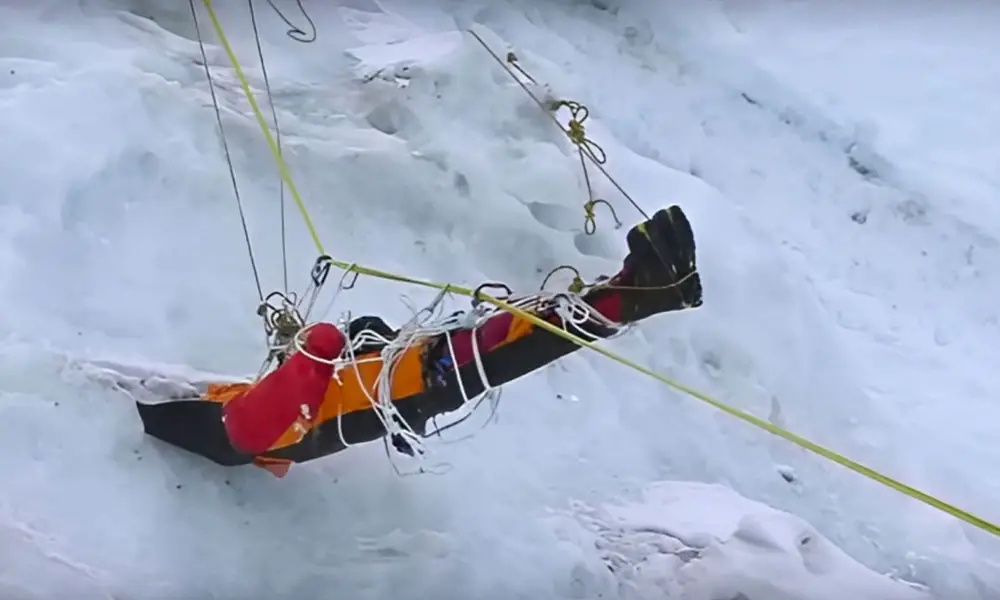
Source: Tranquil kilimanjaro
Some climbers have taken photos in the past, but most do not today.
There’s a big gap between internet curiosity and real climbing culture.
According to National Geographic, climbers in the Death Zone are focused on survival, not documentation
Here’s the reality:
In the Past:
-
Fewer ethical guidelines
-
More curiosity-driven documentation
-
Limited awareness of impact
Today:
-
Strong ethical standards
-
Focus on safety and survival
-
Avoidance of photographing bodies
Most climbers will walk past without even stopping.
Ethical Concerns Around Everest Photos

Image Source: The Manual
Sharing photos of dead climbers on Everest is widely considered unethical and disrespectful.
This is where the conversation becomes serious.
Privacy and Human Dignity
Even though Everest is public terrain:
-
The deceased still deserve dignity
-
They are not “landmarks” or “content”
-
Many families are still alive
Impact on Families
Imagine:
-
A family member searches online
-
Finds a viral image of their loved one
-
With no context, just exposure
This is one of the biggest reasons images are suppressed.
Changing Industry Standards
According to Reuters, recent Everest cleanup efforts are not just about removing waste but also treating human remains with respect.
The entire culture around Everest is shifting.
Why Were Some Photos Taken in the Past?

Source: ABC7
Photos existed more in the past because ethical awareness was lower and documentation culture was different.
Early Everest expeditions:
-
Were less regulated
-
Had fewer ethical discussions
-
Treated the climb more as exploration
Now compare that to today:
Then Now
Exploration mindset Ethical responsibility Limited audience Global internet exposure Less accountability Strong public scrutiny
This shift explains why modern photos are almost nonexistent.
What Do Climbers Actually See Instead?

Source: Mark Horrell
Climbers today see traces of past climbers, but not always clearly visible bodies.
Instead of what people imagine, they usually encounter:
-
Old gear and oxygen tanks
-
Torn clothing partially buried in snow
-
Subtle signs of past expeditions
According to Smithsonian Magazine, bodies can remain preserved for decades but may become buried or obscured over time.
So visibility is inconsistent and often minimal.
Photos of Sleeping Beauty existed, but the reason you don’t see them today is not mystery. It’s respect, ethics, and a shift in how Everest is treated.
FAQ
Q: Are there real photos of sleeping beauty Everest?
A: Yes, some photos existed, but they are rare and not publicly shared due to ethical concerns.
Q: Why are Everest body photos hard to find?
A: Because platforms remove them, climbers avoid sharing them, and ethical standards discourage distribution.
Q: Do climbers take pictures of dead bodies on Everest?
A: Some did in the past, but most modern climbers avoid it out of respect and focus on survival.
Q: Is it illegal to share Everest body photos?
A: Not always illegal, but many platforms restrict such content and the mountaineering community discourages it.
Q: Are there still visible bodies on Everest?
A: Yes, but fewer than before, and many are now covered or moved.
Q: Why don’t photos go viral if they exist?
A: Because they are often removed, hidden, or never shared publicly in the first place.
Conclusion
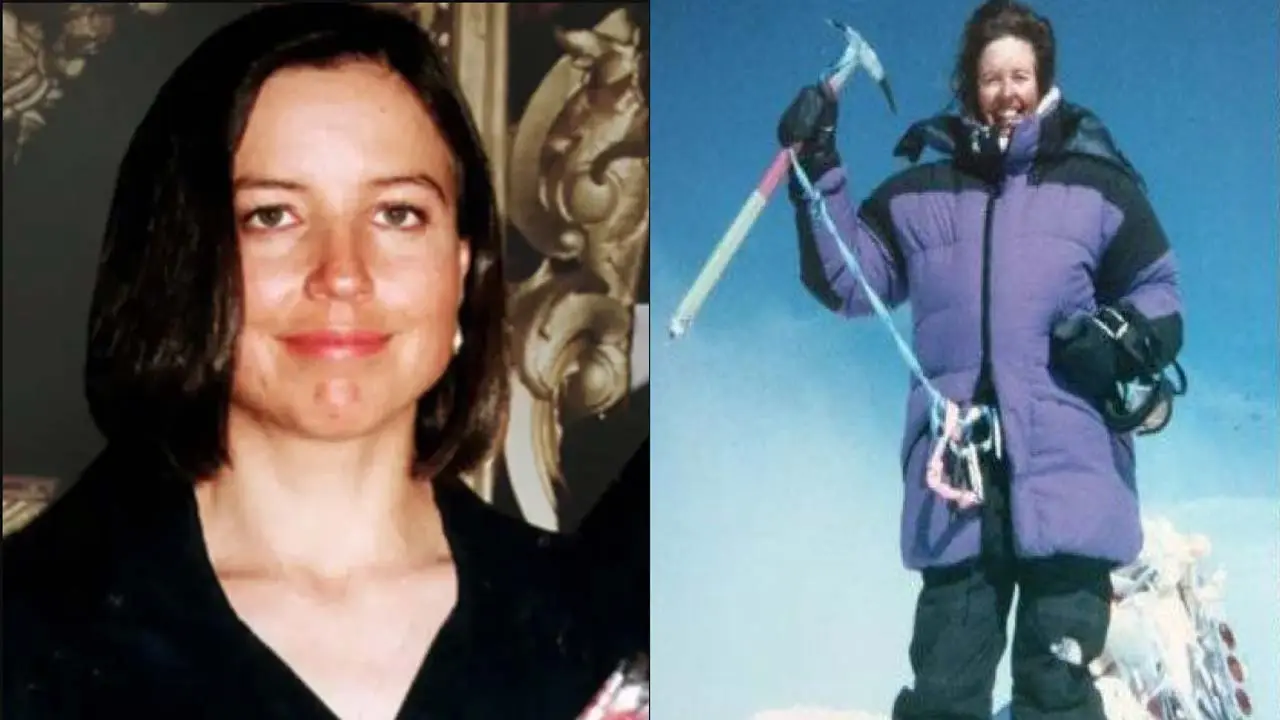
If you were expecting to find clear photos of Sleeping Beauty online, here’s the honest answer:
They exist, but you’re not supposed to see them.
And that’s actually a good thing.
Because Everest isn’t:
-
A content opportunity
-
A viral curiosity
-
Or a place for shock value
It’s a place where real people lived, struggled, and died.
Next step:
Understand the full story and location behind Sleeping Beauty
Sleeping Beauty Everest full guide.