Nepalese Drinks: Traditional Alcohol, Non-Alcoholic Beverages, and What to Try
-
Nepalese drinks include both traditional alcoholic (raksi, chyang, tongba) and non-alcoholic (tea, lassi, butter tea) beverages
-
Most traditional drinks are naturally fermented using millet, rice, or barley
-
Popular alcoholic drinks range from light (2–8%) to strong (40%+)
-
Alcohol is legal in Nepal, but cultural norms vary by region
-
Tongba and chyang are must-try cultural experiences, not just drinks
Introduction
Nepal’s drink culture goes back hundreds of years, with fermentation techniques passed down through generations. According to Food and Agriculture Organization, many traditional Himalayan beverages are made using natural fermentation of grains like millet and rice, not industrial processing.
Most travelers only associate Nepal with Mount Everest, but they miss something equally rich: a deeply rooted drinking culture tied to tradition, climate, and community.
In this guide, I’ll break down:
-
The most popular Nepalese drinks
-
Alcoholic vs non-alcoholic options
-
What to try as a visitor
-
What makes these drinks unique globally
What are Nepalese drinks?
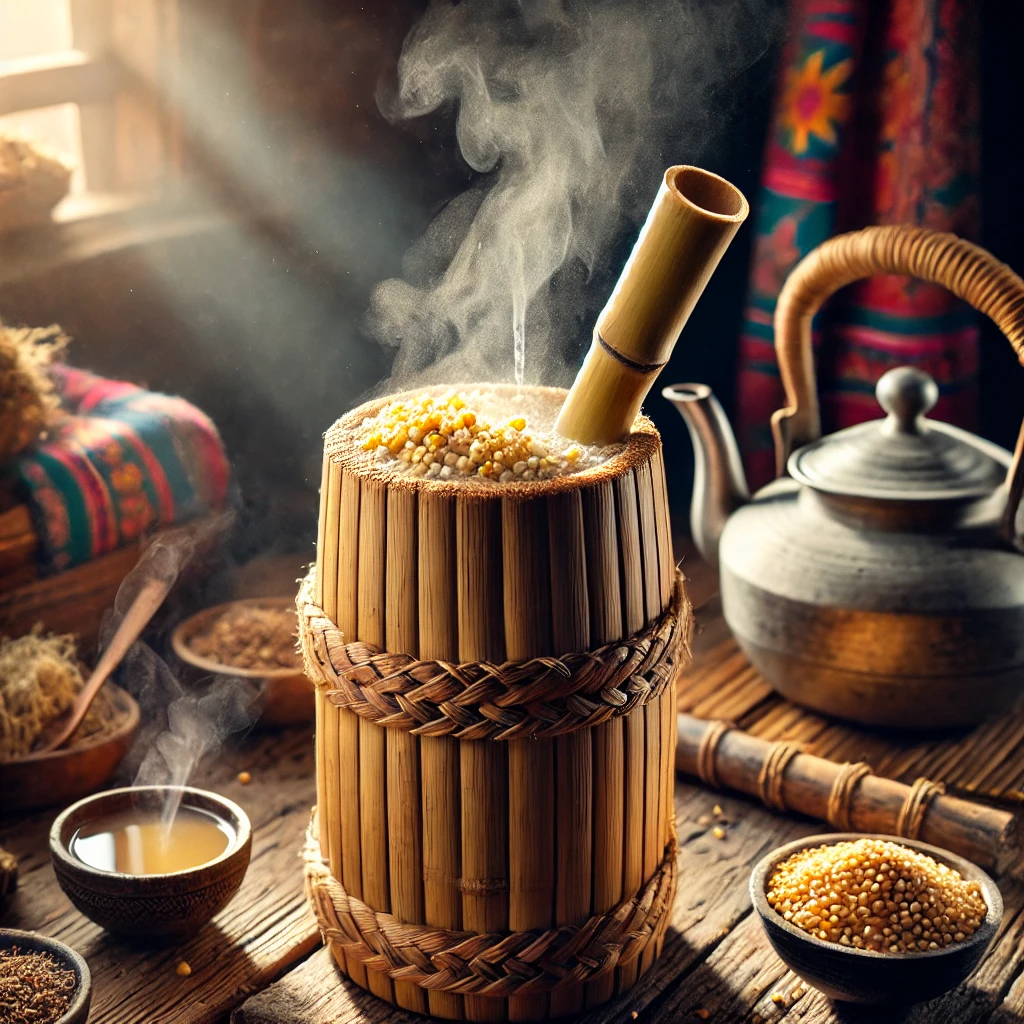
Nepalese drinks are traditional beverages made from locally available ingredients like millet, rice, barley, herbs, and tea leaves, often using natural fermentation techniques.
These drinks are more than just beverages:
-
They’re used in rituals and festivals
-
They serve medicinal and warming purposes
-
They reflect regional diversity (Himalayan vs Terai regions)
According to Nepal Tourism Board, drinks like tongba and chyang are part of Nepal’s cultural identity, especially in mountain communities.
What are the most popular Nepalese alcoholic drinks?
The most popular Nepalese alcoholic drinks are raksi, chyang, tongba, and aila, each made using traditional fermentation or distillation methods.
Main Drinks Breakdown
| Drink | Base Ingredient | Alcohol % | Region | Type |
|---|---|---|---|---|
| Raksi | Rice/Millet | 20–50% | Nationwide | Distilled |
| Chyang | Rice/Barley | 2–8% | Hills | Fermented |
| Tongba | Millet | Mild | Eastern Nepal | Fermented |
| Aila | Rice | 30–50% | Newar community | Distilled |
Key Insight:
-
Fermented drinks = lighter, probiotic-rich
-
Distilled drinks = stronger, similar to vodka/whiskey
According to Journal of Ethnic Foods, these drinks have been consumed for centuries and are deeply tied to local traditions.
What is Tongba (Nepali drink) and how do you drink it?
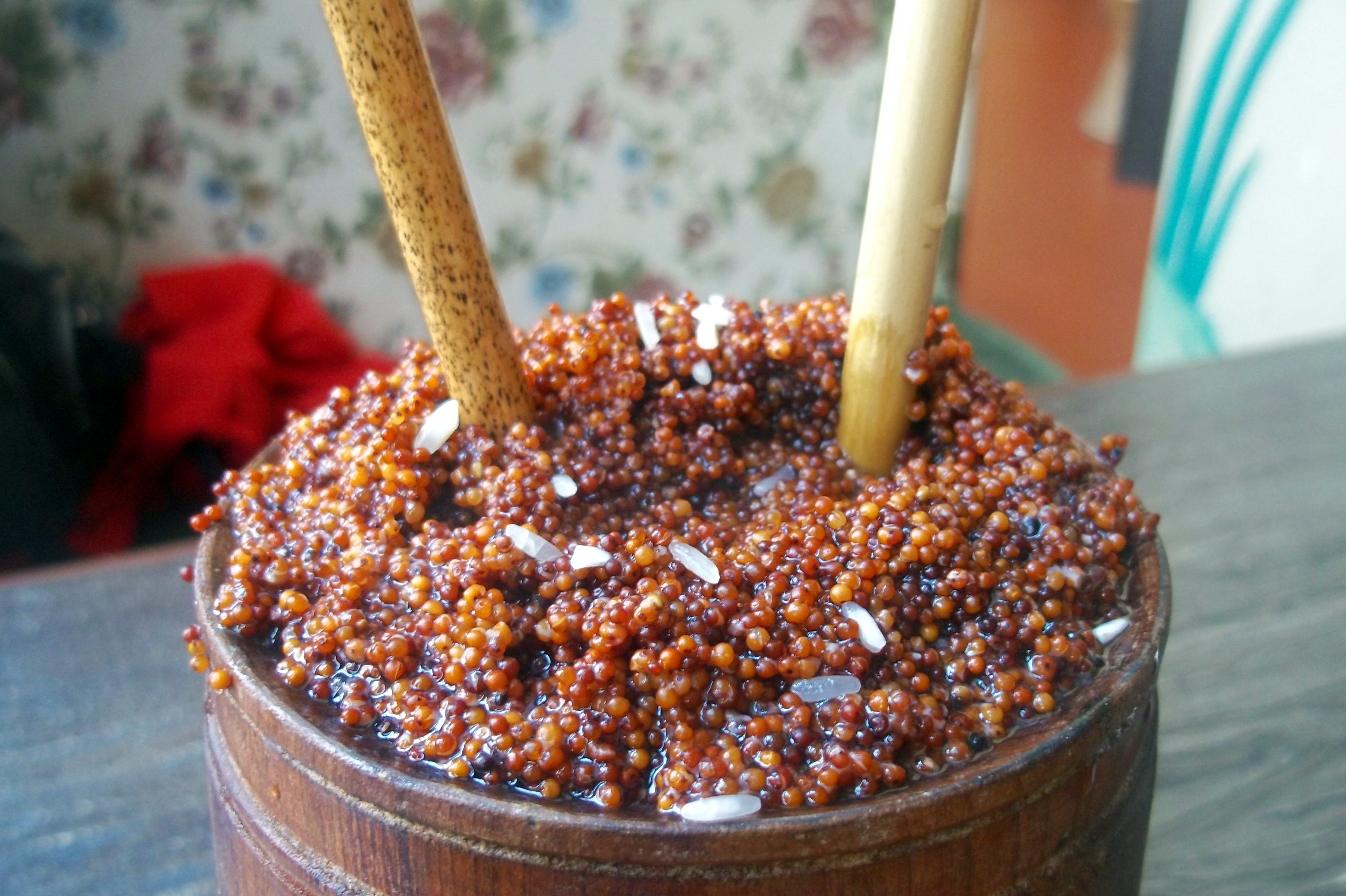
Source: Wikimedia Commons
Tongba is a traditional fermented millet drink served hot, where you sip through a straw and refill with hot water multiple times.
How it works:
-
Fermented millet is placed in a wooden container
-
Hot water is added
-
You drink through a bamboo straw
-
Refill multiple times until flavor fades
This isn’t just a drink. It’s an experience.
According to BBC Travel, tongba is commonly consumed in Himalayan regions as a social and warming drink during cold weather.
What is Chyang Nepali drink?

Source: Bhaktapur.com
Chyang is a lightly fermented rice or barley drink, similar to beer but thicker and more natural.
What makes it unique:
-
Cloudy appearance
-
Slightly sour taste
-
Low alcohol (2–8%)
-
Often homemade
According to Food and Agriculture Organization, chyang is produced using natural fermentation without industrial yeast, making it closer to traditional Asian rice beers.
What are Nepali alcohol brands?

Popular Nepali alcohol brands include Khukri Rum, Ruslan Vodka, and Everest Beer.
Top Brands
| Brand | Type | Popularity |
|---|---|---|
| Khukri Rum | Rum | International export |
| Ruslan Vodka | Vodka | Premium Nepal brand |
| Gorkha Beer | Barashinge Craft Beer | Beer | Tourist favorite |
These brands represent Nepal’s modern alcohol industry, combining traditional identity with global production.
Are there non-alcoholic Nepali drinks?

Yes, Nepal has a wide range of non-alcoholic drinks like chiya (tea), lassi, butter tea, and herbal infusions.
Popular Options:
-
Chiya (Nepali tea): Spiced milk tea consumed daily
-
Lassi: Yogurt-based sweet or salty drink
-
Butter tea: High-altitude drink for energy and warmth
-
Herbal drinks: Made from local plants and spices
These drinks are essential in daily life and often consumed more than alcohol.
Can you drink alcohol in Nepal?
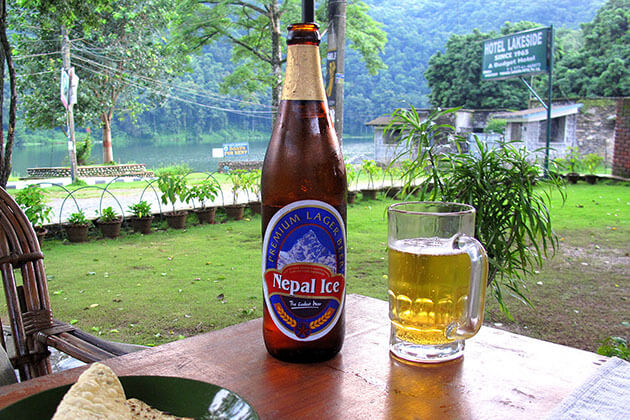
Yes, alcohol is legal in Nepal, but the legal drinking age and cultural acceptance vary by region.
According to World Health Organization:
-
Alcohol consumption is common in many communities
-
Regulations exist but are not always strictly enforced
-
Cultural attitudes differ between ethnic groups
Key takeaway:
-
Drinking is widely accepted, especially in urban and tourist areas
-
Some communities traditionally avoid alcohol
Nepalese liquor vs Western alcohol: what’s the difference?

Source: Annapurna Express
Nepalese liquor differs from Western alcohol because it is traditionally made, less processed, and often tied to cultural rituals rather than recreation.
Key Differences
| Factor | Nepalese Drinks | Western Alcohol |
|---|---|---|
| Production | Handmade, fermented | Industrial |
| Ingredients | Natural grains | Processed inputs |
| Purpose | Cultural, ritual | Recreational |
| Flavor | Earthy, raw | Refined |
According to Atlas Obscura, drinks like tongba are consumed as part of social bonding rather than intoxication-focused drinking.
FAQ
Q: What is the strongest Nepali drink?
Aila and raksi are the strongest, reaching up to 40–50% alcohol depending on distillation.
Q: Is Nepali alcohol safe for tourists?
Yes, but it’s best to consume from trusted sources or commercial brands to ensure quality and hygiene.
Q: What does tongba taste like?
It has a mild, earthy, slightly sour taste that becomes lighter with each refill.
Q: Are Nepali drinks healthy?
Fermented drinks like chyang may contain probiotics, but alcohol should always be consumed in moderation.
Q: Where can I buy Nepali drinks?
You can find them in Nepal locally, select international stores, or specialty Himalayan product websites.
Nepalese drinks are not just beverages. They are a reflection of:
-
Culture
-
Geography
-
Tradition
If you’re exploring Nepal or Himalayan products, start with:
-
Tongba for experience
-
Chyang for something light
-
Raksi for strength
👉 Next step: Try authentic Himalayan products or explore traditional recipes to experience this culture firsthand.