Trekking in Nepal: Everest Base Camp & Annapurna Circuit Trek Guide
Trekking in Nepal is one of the world’s best adventure travel experiences, especially for travelers dreaming of the Himalayas. The two most famous routes are the Everest Base Camp Trek and the Annapurna Circuit Trek. Choose Everest Base Camp if you want iconic Everest views, Sherpa culture, and the feeling of reaching the base of the world’s highest mountain. Choose Annapurna Circuit if you want more landscape variety, cultural diversity, and a classic Himalayan route through valleys, villages, and high mountain passes.
The best seasons for trekking in Nepal are usually spring, from March to May, and autumn, from September to November. Travelers should always check updated trekking rules, permit requirements, visa information, and protected-area notices through official sources such as the Nepal Tourism Board the Department of Immigration Nepal , and the Department of National Parks and Wildlife Conservation Nepal.
Why Trekking in Nepal Is So Popular

Trekking in Nepal is more than walking in the mountains. It is a complete Himalayan journey filled with snow-capped peaks, ancient villages, Buddhist monasteries, suspension bridges, rivers, forests, glaciers, and warm local hospitality.
For travelers searching for trekking in the Nepal, the country offers trekking routes for almost every experience level. Some travelers come for the legendary Everest Base Camp Trek, while others prefer the scenic variety of the Annapurna Circuit Trek. There are also shorter treks near Pokhara, cultural treks near Kathmandu, and remote routes for experienced hikers.
What makes Nepal special is that trekking routes pass through real mountain communities. You do not only see the Himalayas from a distance. You walk through villages, eat in tea houses, meet local families, visit monasteries, and experience the daily life of people who live in the mountains.
Official Nepal travel information can be checked through the Nepal Tourism Board.
Trekking in Nepal Everest Base Camp
The Everest Base Camp Trek is one of the most famous trekking routes in Nepal and one of the most recognized adventure trips in the world. It takes travelers into the Khumbu region, home to Mount Everest, Sherpa villages, Buddhist monasteries, and dramatic Himalayan scenery.
Most Everest Base Camp treks begin with a flight to Lukla, followed by a trek through Phakding, Namche Bazaar, Tengboche, Dingboche, Lobuche, Gorak Shep, and finally Everest Base Camp.
This trek is ideal for travelers who want a once-in-a-lifetime Himalayan journey and the emotional reward of reaching the base of the world’s highest mountain.
The Everest region lies within the Sagarmatha National Park area. Travelers can check protected-area information through the Department of National Parks and Wildlife Conservation Nepal.
Highlights of Everest Base Camp Trek
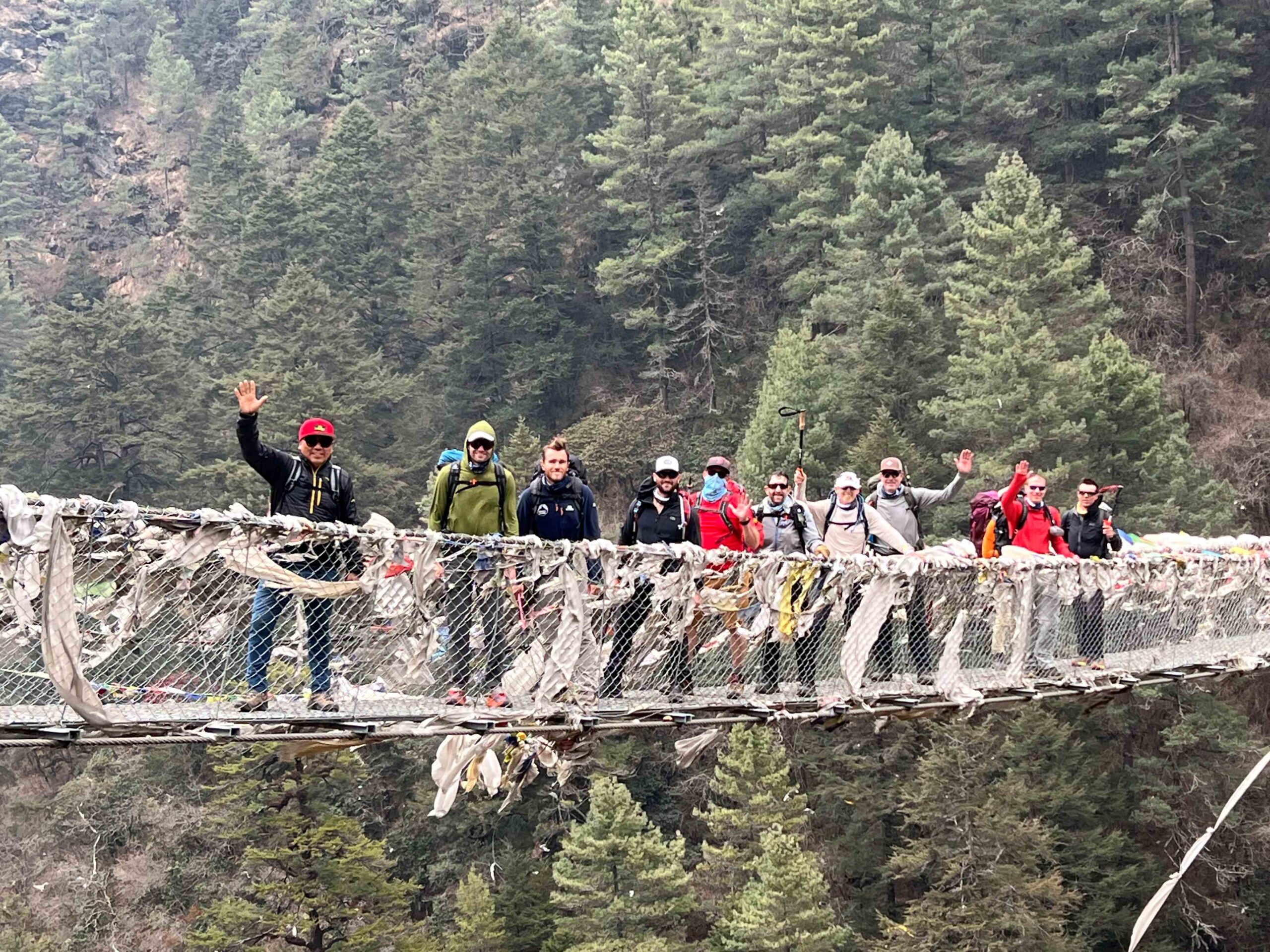
The Everest Base Camp Trek offers some of the most iconic views in the Himalayas. Major highlights include Namche Bazaar, Tengboche Monastery, Ama Dablam, Lhotse, Nuptse, the Khumbu Glacier, Everest Base Camp, and the sunrise viewpoint from Kala Patthar.
Everest Base Camp itself is the symbolic destination of the trek. However, for many trekkers, Kala Patthar gives the best panoramic view of Mount Everest and the surrounding peaks.
The route also gives travelers a close look at Sherpa culture. Namche Bazaar is one of the most important mountain towns in the Khumbu region and is a major acclimatization stop for trekkers heading toward Everest Base Camp.
Everest Base Camp Trek Difficulty
The Everest Base Camp Trek is considered moderate to challenging. It does not require technical climbing skills, but it does require good fitness, steady walking ability, patience, and proper acclimatization.
The biggest challenge is altitude. As trekkers go higher, the oxygen level becomes lower, and the body needs time to adjust. A safe itinerary should include acclimatization days, especially around Namche Bazaar and Dingboche.
Rushing the trek can increase the risk of altitude sickness. That is why travelers should choose an itinerary that allows gradual altitude gain.
For updated trekking guidance and agency-related information, travelers may also refer to the Trekking Agencies’ Association of Nepal.
Best Time for Everest Base Camp Trek
The best time for trekking in Nepal Everest Base Camp is usually during spring and autumn.
Spring, from March to May, offers warmer weather, longer days, and beautiful mountain views. Autumn, from September to November, is one of the most popular trekking seasons because the weather is often stable and the skies are usually clearer.
Winter trekking is possible, but it can be very cold, especially at higher elevations. Monsoon season can bring rain, clouds, slippery trails, and possible flight delays.
Before booking, travelers should check current travel updates and conditions from official tourism sources such as the Nepal Tourism Board.
Suggested Everest Base Camp Trek Itinerary
A typical Everest Base Camp Trek itinerary may look like this:
Day 1: Arrival in Kathmandu
Day 2: Fly to Lukla and trek to Phakding
Day 3: Trek to Namche Bazaar
Day 4: Acclimatization day in Namche Bazaar
Day 5: Trek to Tengboche
Day 6: Trek to Dingboche
Day 7: Acclimatization day in Dingboche
Day 8: Trek to Lobuche
Day 9: Trek to Gorak Shep and Everest Base Camp
Day 10: Hike to Kala Patthar and trek to Pheriche
Day 11: Trek to Namche Bazaar
Day 12: Trek to Lukla
Day 13: Fly back to Kathmandu
Day 14: Departure or extra day in Kathmandu
This itinerary can change depending on weather, fitness level, acclimatization, flight conditions, and safety needs.
For domestic flight and aviation-related updates, travelers can refer to the Civil Aviation Authority of Nepal.
Trekking in Nepal Annapurna Circuit

The Annapurna Circuit Trek is another legendary trekking route in Nepal. It is famous for its changing landscapes, cultural diversity, mountain villages, and the crossing of Thorong La Pass.
For travelers searching for trekking in Nepal Annapurna Circuit, this route is one of the best choices because it combines adventure, culture, and scenic variety. Unlike Everest Base Camp, which focuses mainly on the Khumbu region, Annapurna Circuit passes through different landscapes, from green valleys and forests to dry high-altitude terrain.
The Annapurna region is part of the Annapurna Conservation Area. Travelers can review official conservation information through the Annapurna Conservation Area Project.
Highlights of Annapurna Circuit Trek
The Annapurna Circuit Trek offers a wide range of scenery and cultural experiences. Major highlights include Besisahar, Chame, Pisang, Manang, Braga Monastery, Yak Kharka, Thorong La Pass, Muktinath, and the Kali Gandaki Valley.
Trekkers can enjoy views of Annapurna, Dhaulagiri, Manaslu, Tilicho Peak, and other Himalayan mountains.
One of the biggest achievements of this trek is crossing Thorong La Pass. It is a high mountain pass and requires proper acclimatization, warm clothing, and an early start.
Annapurna Circuit Trek Difficulty
The Annapurna Circuit Trek is usually considered moderate to challenging. The trail does not require climbing skills, but the long walking days, altitude, weather changes, and Thorong La Pass crossing can make it demanding.
Compared to Everest Base Camp, the Annapurna Circuit often feels more varied. The landscapes change more dramatically, and the culture shifts as the trail moves through different communities.
Some sections of the route can now be shortened by road access, depending on the itinerary. This gives trekkers more flexibility, especially if they have limited time.
Best Time for Annapurna Circuit Trek
The best time for trekking in Nepal Annapurna is usually spring and autumn.
Spring offers warmer temperatures and blooming rhododendron forests in some lower areas. Autumn usually brings clear mountain views and stable trekking weather.
Winter is possible but can be very cold near Thorong La Pass. Monsoon season may bring rain, leeches in lower areas, clouds, and slippery trails.
Because mountain weather can change quickly, travelers should confirm current conditions with local guides or a registered trekking company before starting.
Suggested Annapurna Circuit Trek Itinerary
A typical Annapurna Circuit Trek itinerary may look like this:
Day 1: Arrival in Kathmandu
Day 2: Drive to Besisahar or nearby starting point
Day 3: Trek toward Chame
Day 4: Trek to Pisang
Day 5: Trek to Manang
Day 6: Acclimatization day in Manang
Day 7: Trek to Yak Kharka
Day 8: Trek to Thorong Phedi or High Camp
Day 9: Cross Thorong La Pass and trek to Muktinath
Day 10: Trek or drive toward Jomsom
Day 11: Drive or fly toward Pokhara
Day 12: Rest day in Pokhara
Day 13: Return to Kathmandu
Day 14: Departure
The exact itinerary depends on road access, weather, trekking speed, acclimatization, and personal preference.
Everest Base Camp vs Annapurna Circuit: Which Trek Should You Choose?
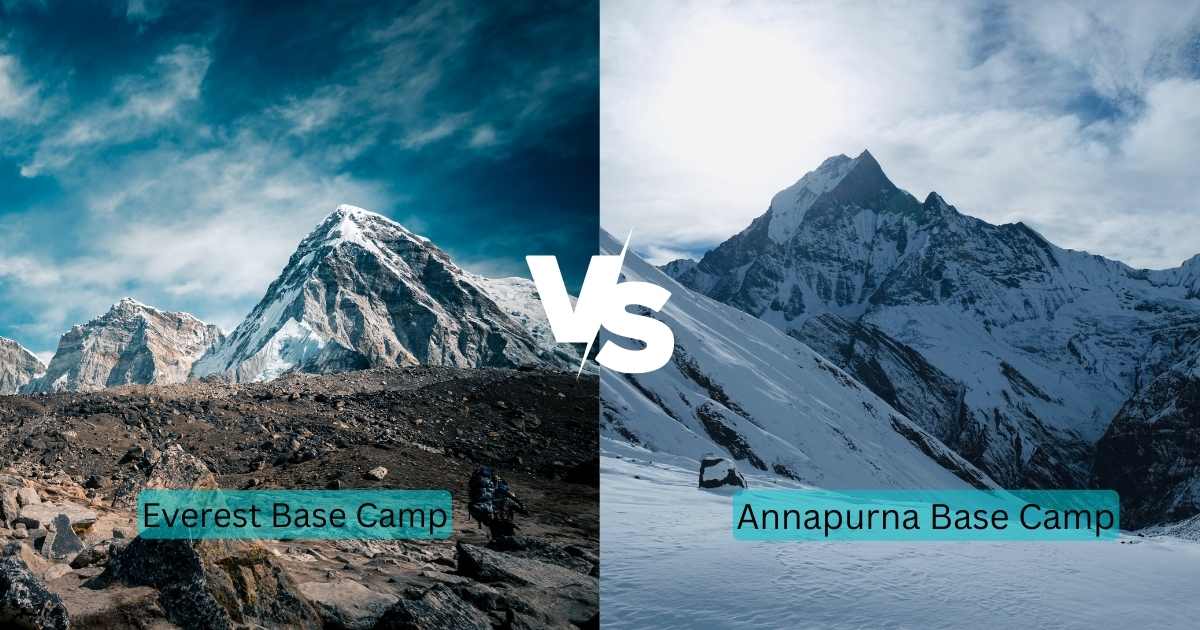
Both Everest Base Camp and Annapurna Circuit are excellent trekking routes in Nepal, but they offer different experiences.
| Feature | Everest Base Camp Trek | Annapurna Circuit Trek |
|---|---|---|
| Best For | Iconic Everest experience | Landscape variety and classic Himalayan route |
| Main Region | Khumbu / Everest region | Annapurna / Manang / Mustang region |
| Main Highlight | Everest Base Camp and Kala Patthar | Thorong La Pass |
| Culture | Sherpa and Buddhist culture | Gurung, Thakali, Tibetan-influenced culture |
| Difficulty | Moderate to challenging | Moderate to challenging |
| Scenery | High mountains, glaciers, Everest views | Forests, valleys, villages, dry mountain landscapes |
| Typical Duration | Around 12–14 days | Around 10–18 days |
| Best Season | Spring and autumn | Spring and autumn |
| Good for First-Time Trekkers? | Yes, with preparation | Yes, with preparation |
Choose Everest Base Camp if your dream is to see Mount Everest and experience the famous Khumbu trail.
Choose Annapurna Circuit if you want more diverse landscapes, cultural variety, and a classic long-distance Himalayan trekking route.
How Many Days Do You Need for Trekking in Nepal?
Most Everest Base Camp treks take around 12 to 14 days, depending on the itinerary and acclimatization schedule.
The Annapurna Circuit can take around 10 to 18 days depending on where you start, where you finish, and whether you use road transport on some sections.
Shorter treks are also available in Nepal, including Ghorepani Poon Hill, Mardi Himal, Langtang Valley, and short treks near Pokhara. However, for major routes like Everest Base Camp and Annapurna Circuit, it is better not to rush.
A safe trekking itinerary should give the body enough time to adjust to altitude.
Cost of Trekking in Nepal
The cost of trekking in Nepal depends on the route, number of days, guide service, porter service, accommodation, meals, permits, transportation, and whether you book a private trek or group trek.
Everest Base Camp usually costs more than many Annapurna routes because of Lukla flights, logistics, and high demand.
Annapurna Circuit can be more flexible in cost because some sections have road access and different itinerary options.
Typical trekking costs may include:
- Guide service
Porter service
Trekking permits
National park or conservation area fees
Tea house accommodation
Meals during the trek
Domestic flights or ground transport
Travel insurance
Gear rental or purchase
Tips for guide and porter
For accurate pricing, travelers should request a custom quote based on travel date, group size, preferred comfort level, and route.
Permits Needed for Trekking in Nepal
Most trekking routes in Nepal require official permits. Everest Base Camp and Annapurna Circuit have different permit requirements depending on the route, protected area, and current regulations.
Before your trip, confirm permit requirements with official tourism sources such as the Nepal Tourism Board, the Department of Immigration Nepal, and the Department of National Parks and Wildlife Conservation Nepal.
For the Annapurna region, travelers can also refer to the Annapurna Conservation Area Project at https://ntnc.org.np/project/annapurna-conservation-area-project.
A reliable local trekking company should help arrange the correct permits before the trek begins.
Nepal Visa Information for Trekkers
Most international travelers need a tourist visa to enter Nepal. Visa rules, fees, and entry requirements can change, so travelers should always check the latest information before departure.
The official source for Nepal visa and immigration information is the Department of Immigration Nepal.
Trekkers should make sure their passport is valid, their visa duration covers the full trip, and they have enough extra days in case of weather delays, flight changes, or itinerary adjustments.
Is Trekking in Nepal Safe?
Trekking in Nepal is generally safe when planned properly, but mountain travel always carries risks. Weather, altitude, trail conditions, landslides, flight delays, and physical exhaustion can affect the journey.
The most important safety rules are:
- Walk slowly at altitude.
Drink enough water.
Do not skip acclimatization days.
Tell your guide if you feel unwell.
Carry proper warm and waterproof clothing.
Buy travel insurance that covers high-altitude trekking.
Avoid trekking alone on remote routes.
Check updated permit and trekking rules before departure.
For updated trekking notices and agency-related information, travelers can check the Trekking Agencies’ Association of Nepal and the Nepal Tourism Board.
What to Pack for Trekking in Nepal
Packing correctly can make your trek much safer and more comfortable. You do not need to overpack, but you do need proper layers and essential trekking gear.
Important items include:
- Warm down jacket
Waterproof jacket
Thermal base layers
Trekking pants
Gloves and warm hat
Sun hat and sunglasses
Comfortable trekking boots
Wool socks
Sleeping bag
Headlamp
Water bottle
Sunscreen
Lip balm
Basic medicine
Power bank
Trekking poles
Personal snacks
Travel insurance documents
For Everest Base Camp and Annapurna Circuit, layering is very important because temperatures can change quickly from daytime to night.
Why Book Trekking in Nepal With a Local Company?
Booking with a local Nepal trekking company gives travelers better support, local knowledge, fairer pricing, and easier logistics. Local companies understand trail conditions, permits, transportation, tea houses, cultural etiquette, altitude safety, and emergency support.
A good local trekking company can help with:
- Custom itinerary planning
Airport pickup
Hotel booking in Kathmandu or Pokhara
Trekking permits
Guide and porter arrangement
Flight and transport coordination
Emergency support
Local recommendations
Fair pricing
For first-time trekkers, this support can make the journey easier, safer, and more enjoyable.
Travelers can also check registered trekking industry information through TAAN.
Best Trekking Routes in Nepal for Beginners
If Everest Base Camp or Annapurna Circuit feels too long, beginners can start with shorter treks such as Ghorepani Poon Hill, Mardi Himal, Langtang Valley, or short treks near Pokhara.
These routes offer beautiful Himalayan views with fewer days and simpler logistics.
However, if you are reasonably fit, patient, and properly guided, both Everest Base Camp and Annapurna Circuit can be suitable for first-time trekkers.
Final Thoughts
Trekking in Nepal is one of the most rewarding travel experiences in Asia. Whether you choose Everest Base Camp or the Annapurna Circuit, you will experience Himalayan landscapes, mountain culture, local hospitality, and unforgettable walking routes.
For travelers looking for trekking in Nepal Everest Base Camp, the Khumbu region offers the iconic journey to the foot of Mount Everest. For those searching for trekking in Nepal Annapurna Circuit, the Annapurna region offers one of the most diverse and scenic trekking routes in the country.
The best trek depends on your time, budget, fitness level, travel style, and dream destination. With the right local team, proper planning, and a safe itinerary, trekking in Nepal can become the trip of a lifetime.
Plan Your Nepal Trek With Nepal Tour Holiday
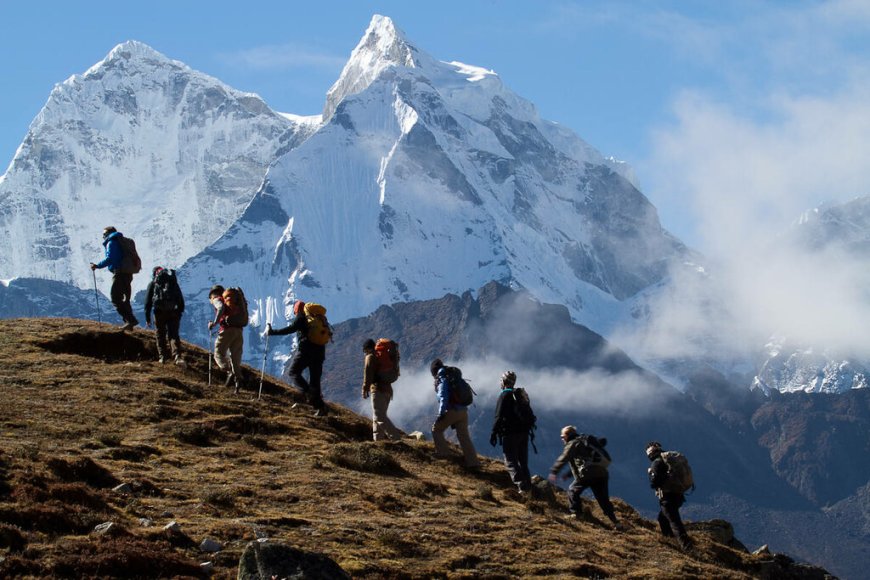
Planning trekking in Nepal? Nepal Tour Holiday can help you choose the right route, arrange local guides, prepare permits, and customize your Everest Base Camp or Annapurna Circuit trek based on your travel dates, fitness level, budget, and preferred travel style.
Whether you want to trek to Everest Base Camp, explore the Annapurna Circuit, or choose a beginner-friendly Himalayan route, our local team can help you plan a safe and memorable Nepal trekking experience.
Contact Nepal Tour Holiday today to start planning your Nepal trekking adventure.
FAQ
What is the best trek in Nepal?
The best trek in Nepal depends on your travel style. Everest Base Camp is best for travelers who want to see Mount Everest and experience the Khumbu region. Annapurna Circuit is best for trekkers who want diverse scenery, cultural variety, and a classic Himalayan route.
Is Everest Base Camp Trek difficult?
Everest Base Camp Trek is moderate to challenging. The trail does not require climbing skills, but altitude, long walking days, cold weather, and physical effort can make it difficult. Proper acclimatization is very important.
Is Annapurna Circuit harder than Everest Base Camp?
Both treks are challenging in different ways. Everest Base Camp has high altitude and colder conditions, while Annapurna Circuit includes the Thorong La Pass crossing. Difficulty depends on itinerary, weather, fitness level, and acclimatization.
What is the best time for trekking in Nepal?
The best time for trekking in Nepal is usually spring from March to May and autumn from September to November. These seasons often offer better weather, clearer skies, and good mountain views.
How much does trekking in Nepal cost?
The cost depends on the trek, number of days, guide, porter, permits, accommodation, meals, and transport. Everest Base Camp usually costs more than Annapurna Circuit because of Lukla flights and route logistics.
Do I need a guide for trekking in Nepal?
A guide is strongly recommended, especially for first-time trekkers. A local guide helps with navigation, permits, safety, altitude awareness, cultural understanding, and emergency support.
Which is better: Everest Base Camp or Annapurna Circuit?
Everest Base Camp is better for travelers who dream of seeing Mount Everest. Annapurna Circuit is better for travelers who want varied landscapes, cultural diversity, and a classic long-distance trekking route.
Sources
This guide was prepared using local trekking knowledge and publicly available references from official Nepal tourism, immigration, conservation, and trekking industry sources.
- Nepal Tourism Board: https://ntb.gov.np/
- Department of Immigration Nepal: https://www.immigration.gov.np/
- Trekking Agencies’ Association of Nepal: https://taan.org.np/
- Department of National Parks and Wildlife Conservation Nepal: https://dnpwc.gov.np/
- Annapurna Conservation Area Project: https://ntnc.org.np/project/annapurna-conservation-area-project
- Nepal Mountaineering Association: https://nepalmountaineering.org/
- Civil Aviation Authority of Nepal: https://caanepal.gov.np/
- Ministry of Culture, Tourism and Civil Aviation Nepal: https://www.tourism.gov.np/
Note: Trekking permit rules, visa rules, park fees, guide requirements, domestic flight schedules, and local travel conditions may change. Travelers should confirm the latest details with official sources or a registered local trekking agency before booking.